


Read the interview with Eva Mineur, who took up her post as a new member of the Expert Group for Aid Studies (EBA) on 15 April 2026. Eva has extensive experience in research, evaluation and policy work, which has given her a clear systemic perspective on sustainable development and Sweden’s role in global development cooperation.
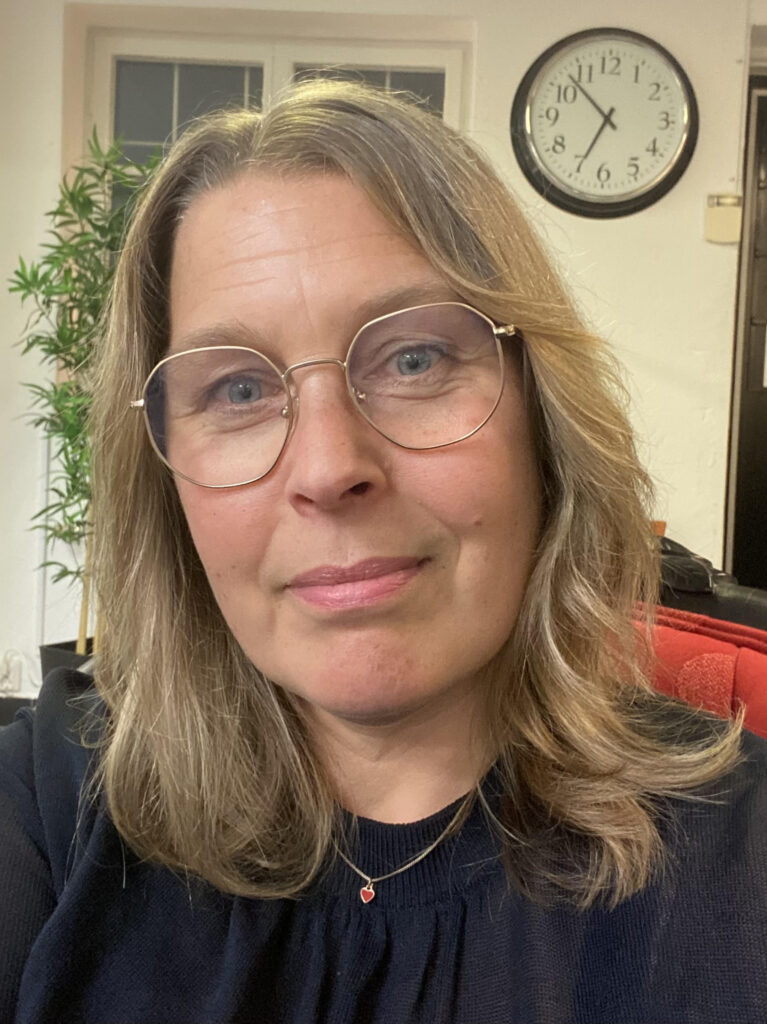
Eva Mineur is Head of Climate and Sustainability at the Global Challenges Foundation, where she is responsible for strategy and content within the foundation’s climate and sustainability portfolio, which comprises around ten global partnerships. The foundation supports initiatives that promote global governance to better manage global disaster risks such as climate change.
Eva has previously worked in academia, government agencies and the Government Offices, and also has a background as a programme manager at the EBA secretariat.
Why did you accept the role as a member of EBA?
I know the EBA well from my time at the secretariat and follow its work regularly. I think EBA does a fantastic job and I am very excited to continue contributing.
The world around us is in turmoil, and that is precisely why it is important to provide sound, science-based evidence to the government, the media and other societal actors on issues relating to development in general and Swedish development work in particular. We need to build more bridges between sectors, stakeholders, issues and between research and policy to manage this complexity – and that is where EBA plays a vital role.
I also appreciate that EBA is actively engaged in learning, for example through systematic evaluations. That is exactly what we need more of: building on and learning from what we already know. Fundamentally, it is also about strengthening the principles of the rule of law and safeguarding democracy through independent analysis.
What do you think you can contribute to the expert group?
My broad background in research, evaluation, development and governance issues, as well as climate and sustainability policy – and my experience at both global and national levels – means I have a broad understanding of what sustainable development means in practice.
I bring a systems perspective to development issues in general and to Sweden’s role in the global multilateral ecosystem in particular. I believe that perspective is particularly important going forward, not least in relation to climate and sustainability issues.
What are you most looking forward to in your work at EBA?
I am looking forward to working with the secretariat again and getting to know the other members better. It will be exciting to work together to identify issues and knowledge gaps where EBA can make the greatest impact.
I am also looking forward to participating in report production and to convening and leading reference groups. My broad network will hopefully help to bring in new people and expertise to the work of quality-assuring, gaining broad support for, and disseminating EBA’s reports.
Is there anything in particular you hope you and EBA will achieve in the future?
I hope that, together, we will continue to maintain our critical perspective, our independence and the high quality of our work. The initiative to have newly qualified PhD graduates summarise their theses is a fantastic part of EBA’s activities that deserves greater attention and wider dissemination. Hopefully, we can help to further strengthen this work in the future.